User research is the foundation of great UX design. It helps designers understand user behaviors, pain points, and expectations. But what happens when in-person interviews or usability testing aren’t feasible? That’s where remote user research comes in.
Remote user research allows UX teams to gather insights from real users without geographical constraints. It’s cost-effective, scalable, and provides access to diverse user perspectives. With the right tools and strategies, remote research can be just as insightful as traditional in-person studies.
This guide will walk you through everything you need to know about conducting remote user research—why it matters, the best methods, and how to execute it effectively.
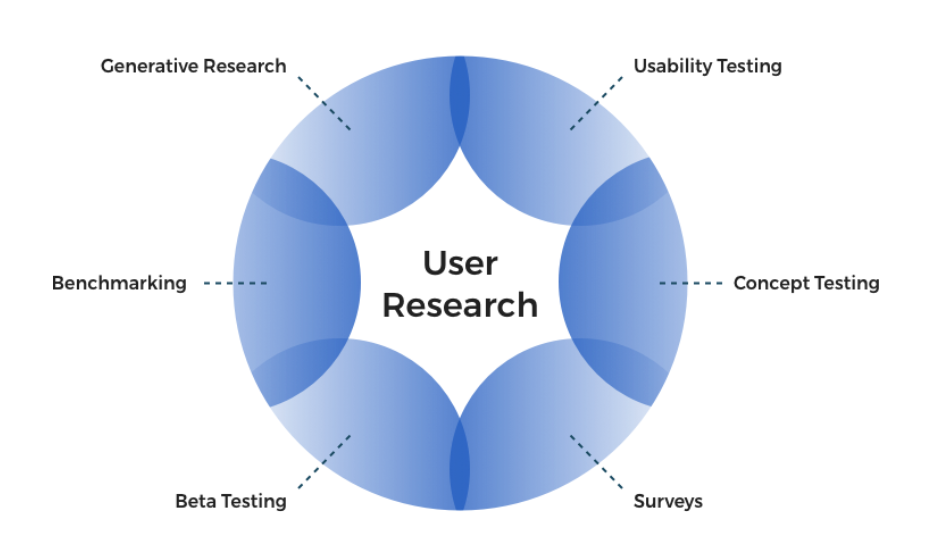
Image Credits - Dscout
Why Remote User Research is Essential
Remote research isn’t just a workaround—it offers unique advantages:
- Wider Participant Reach: Connect with users across different locations, time zones, and demographics.
- Cost-Effective: Eliminates travel expenses, lab setup costs, and logistics.
- Real-World Context: Users engage with your product in their natural environment, leading to more authentic feedback.
- Faster Insights: Remote research speeds up data collection and analysis with digital tools.
Whether you're testing a new app, validating design concepts, or gathering user feedback, remote research ensures you make informed design decisions without logistical hurdles.
Types of Remote User Research
Remote research methods fall into two main categories: moderated and unmoderated. Each serves different research goals.
1. Moderated Remote Research
A researcher interacts with participants in real-time via video calls or screen-sharing tools, guiding them through tasks while observing their reactions.
Best For:
- In-depth qualitative insights.
- Exploring user behavior and thought processes.
- Clarifying responses and probing further.
Common Techniques:
- Remote User Interviews: Direct conversations to understand motivations, pain points, and expectations.
- Live Usability Testing: Observing users navigate your product in real time.
- Focus Groups: Discussions with multiple participants to explore shared experiences.
Recommended Tools:
- Zoom, Google Meet, Microsoft Teams (Video calls and screen sharing).
- Lookback, UserTesting (Live usability testing with session recording).
2. Unmoderated Remote Research
Users complete tasks independently without real-time researcher involvement. This method is faster and often used for usability testing at scale.
Best For:
- Large-scale data collection.
- Quick feedback on designs or prototypes.
- Identifying usability bottlenecks.
Common Techniques:
- Unmoderated Usability Testing: Users complete predefined tasks on a website or app while their interactions are recorded.
- Remote Surveys & Questionnaires: Collect quantitative and qualitative insights from users.
- A/B Testing: Compare two design variations to determine which performs better.
Recommended Tools:
- Maze, UsabilityHub, PlaybookUX (Unmoderated usability testing).
- Google Forms, Typeform, SurveyMonkey (Surveys and feedback collection).
- Google Optimize, Optimizely (A/B testing platforms).
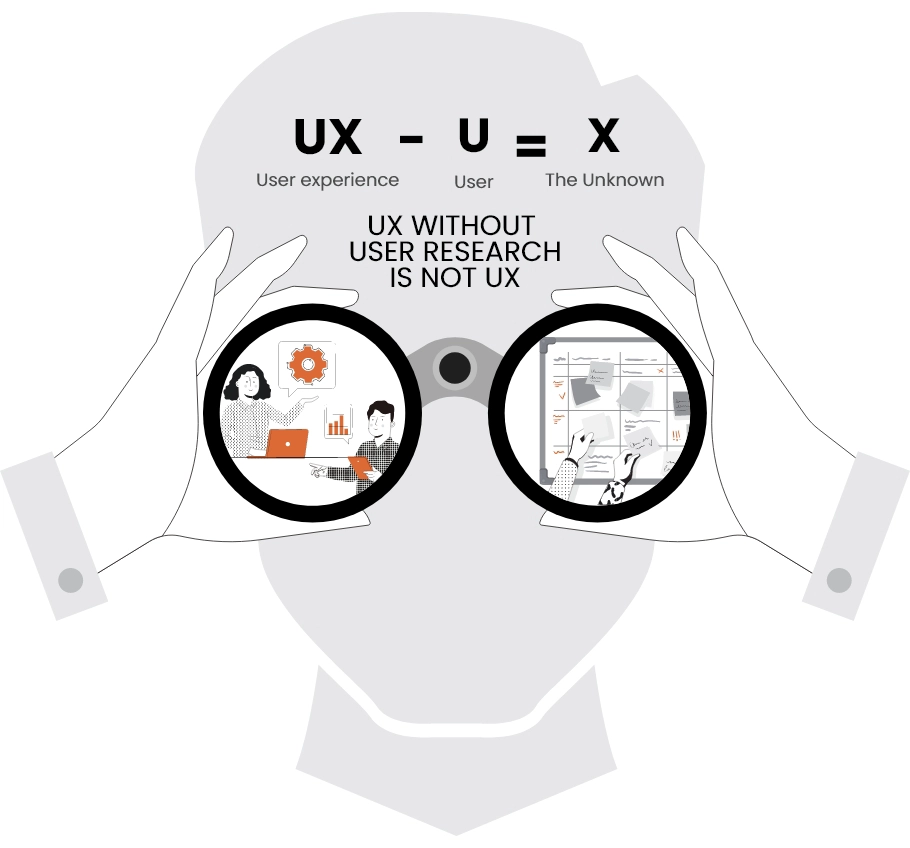
Image Credits - contagion
What you'll learn:
- Learn from industry experts and master practitioners.
- Engage in hands-on, project-based learning experiences.
- Connect with a vibrant community of creatives and professionals.
- Receive a certificate to boost your portfolio and credentials.
How to Conduct Remote User Research Effectively
Step 1: Define Your Research Goals
Before starting, clarify what you want to learn. Ask:
- What specific user problems are we solving?
- Do we need qualitative (in-depth insights) or quantitative (measurable data) research?
- Who is our target audience?
Setting clear objectives ensures you choose the right research methods and tools.
Step 2: Choose the Right Participants
Recruiting the right users is crucial for meaningful insights. Consider:
- Your Target Audience: Ensure participants match your ideal user persona.
- Diversity: Include users with different backgrounds and experience levels.
- Recruitment Channels: Use social media, email lists, user communities, and research platforms like UserInterviews or Respondent.io.
Step 3: Select Research Methods & Tools
Based on your goals, choose the most suitable research method. If you need real-time user feedback, opt for moderated research. If you want large-scale insights, use surveys and unmoderated testing tools.
Step 4: Conduct Research Sessions
For moderated research, follow these best practices:
- Establish a comfortable, distraction-free environment for participants.
- Ask open-ended questions to encourage detailed responses.
- Observe user behavior closely and take notes on pain points.
For unmoderated research, ensure:
- Tasks are clearly defined and easy to follow.
- The testing platform records user interactions.
- Users complete tasks in their natural environment for authentic results.
Step 5: Collect and Analyze Data
After gathering insights, organize and analyze the data to identify patterns.
- Thematic Analysis: Look for recurring themes in qualitative responses.
- Usability Metrics: Measure task success rates, completion times, and error rates.
- Heatmaps & Session Recordings: Use tools like Hotjar to analyze user interactions visually.
Step 6: Synthesize Findings & Take Action
Document key takeaways and share them with your design team. Prioritize findings based on their impact on user experience.
- Critical issues → Address immediately.
- Moderate usability problems → Fix in upcoming iterations.
- Minor feedback → Consider for future updates.
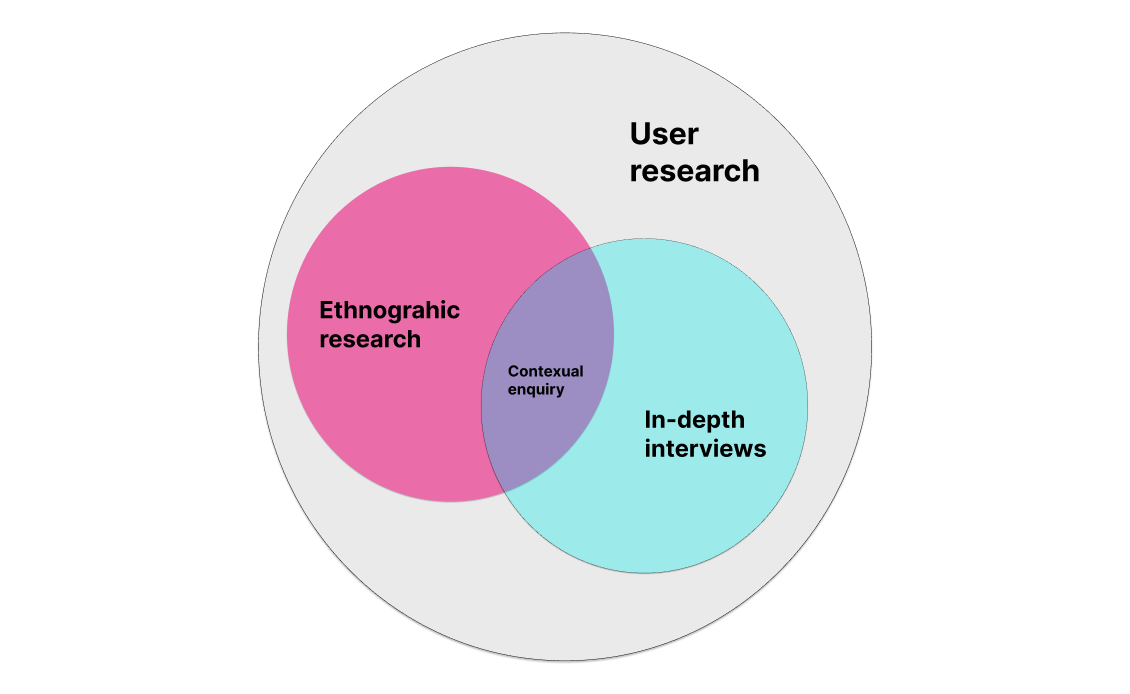
Image Credits - Aufait UX
Best Practices for Remote User Research
- Test Your Setup Before Sessions: Ensure tools work smoothly to avoid technical glitches during research sessions.
- Keep Participants Engaged: Make sessions conversational, ensuring users feel comfortable sharing honest feedback.
- Encourage Think-Aloud Responses: Ask users to verbalize their thoughts as they interact with the product. This provides deeper insights into their decision-making process.
- Minimize Bias: Avoid leading questions or influencing user responses. Keep your questions neutral and open-ended.
- Combine Multiple Methods: Use a mix of qualitative and quantitative research for a holistic understanding of user needs.
Conclusion
Remote user research is an efficient, cost-effective way to gain valuable UX insights. Whether through moderated interviews, unmoderated usability testing, or online surveys, it enables UX teams to make data-driven design decisions without geographical limitations.
By defining clear research goals, selecting the right methods, and analyzing findings effectively, businesses can create user-friendly products that meet real needs.
Embracing remote research allows teams to stay agile, iterate faster, and deliver exceptional user experiences—no matter where their users are.
Level up your UI/UX skills! Learn to create stunning interfaces and seamless user experiences with our Advanced UI/UX Design Course. Boost your career and design products that stand out.
Enroll today at Kaarwan for more insights!
FAQs
1. What is remote user research?
Remote user research involves gathering user insights without in-person interactions. It includes methods like usability testing, surveys, and user interviews conducted online.
2. What are the best tools for remote user research?
Popular tools include Zoom, Lookback, Maze, Hotjar, and Typeform for usability testing, session recordings, and surveys.
3. How do I recruit participants for remote research?
Use social media, user communities, and research platforms like UserInterviews or Respondent.io to find participants that match your target audience.
4. Is remote research as effective as in-person research?
Yes, when executed correctly. Remote research allows for diverse user participation, real-world testing conditions, and faster data collection.
5. How can I ensure high-quality remote research results?
Set clear research goals, choose the right methods, minimize bias in questions, and analyze data thoroughly to extract actionable insights.